
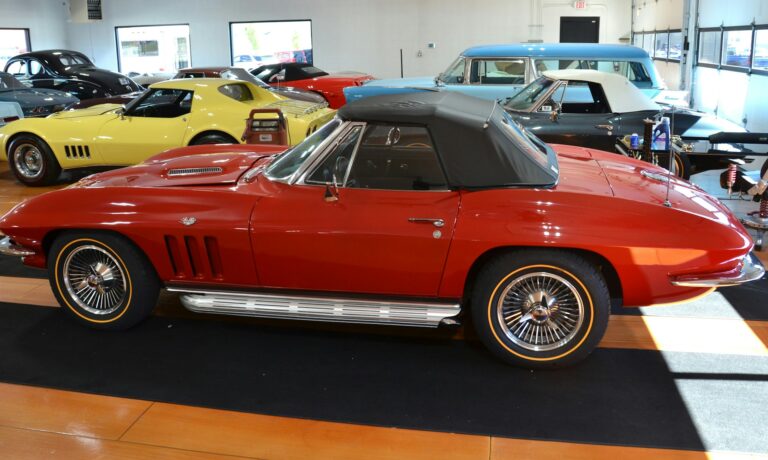
Buying a classic car is more than just a purchase; it’s an investment in history, style, and personal passion. However, finding a trustworthy dealership can be challenging, especially with so many options claiming to offer the best vehicles and services. A poor choice can lead to unexpected costs, questionable vehicle conditions, or even regret after the purchase. That’s why doing your homework before committing is essential. The Beverly Hills Car Club classic cars can give you a clearer picture of what a dependable dealership looks like. From vehicle authenticity to customer service, several factors define a reliable dealer. By understanding what to look for, you can make a confident decision and enjoy your classic car journey without unnecessary setbacks.
Check the Dealership’s Reputation

Reputation speaks volumes when it comes to choosing a classic car dealership. Start by reading online reviews and testimonials from previous customers. Look for consistent positive feedback about transparency, honesty, and service quality. A dealership with a long-standing presence in the market often indicates reliability. You can also check forums or car enthusiast communities where people share their experiences. If a dealer has frequent complaints or unresolved issues, it’s a red flag. A good reputation is built over time, so focus on dealerships that have proven their credibility through customer satisfaction and consistent performance.
Verify Vehicle Authenticity and Documentation
Classic cars come with history, and that history should be well-documented. A reliable dealership should provide clear records of the vehicle’s origin, previous ownership, restoration work, and any modifications. This information helps you confirm that the car is genuine and not misrepresented. Ask for documents such as title records, service history, and restoration details. Transparency in documentation shows that the dealer values honesty and professionalism. Without proper records, you risk buying a vehicle with hidden problems or questionable authenticity.
Assess the Quality of Inventory
The condition of the cars available at a dealership can tell you a lot about their standards. Take time to inspect the vehicles closely, either in person or through detailed photos and descriptions. Look for signs of proper maintenance, clean interiors, and well-preserved exteriors. A reliable dealership will present cars in good condition and provide accurate descriptions without exaggeration. If possible, request a third-party inspection to verify the car’s state. High-quality inventory reflects a dealership’s commitment to offering dependable vehicles rather than quick sales.
Evaluate Customer Service and Communication

Customer service plays a major role in your buying experience. A trustworthy dealership will be responsive, willing to answer your questions, and open about every detail of the transaction. Pay attention to how they communicate with you from the start. Are they patient and informative, or do they rush you into making a decision? Clear and honest communication builds trust and helps you feel more comfortable throughout the process. A dealer who values their customers will prioritize your satisfaction rather than just closing a sale.
Understand Pricing and Transparency
Pricing is another key factor to consider. A reliable dealership will offer fair and transparent pricing …